
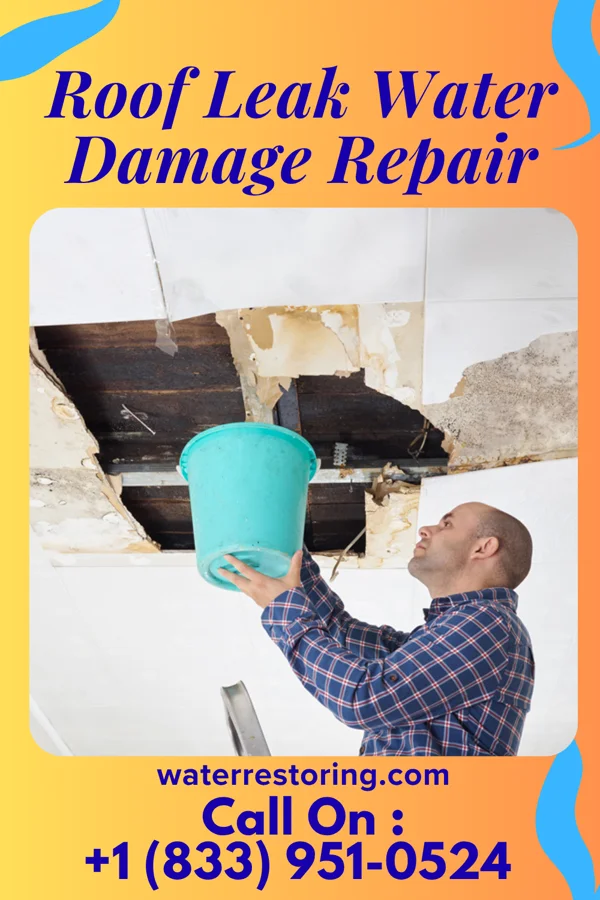
Roof Leaks & Insurance in Elizabethtown
Elizabethtown experiences frequent spring and summer thunderstorms, which can lead to sudden heavy rainfall and strong winds. These conditions often result in roof leaks, especially in older or improperly maintained homes. The region's humid climate also increases the risk of water infiltration through damaged shingles or flashing. is the trigger behind most roof leak water damage repair claims in Elizabethtown. A close second is During the late fall and early winter, Elizabethtown can see a buildup of moisture in the air, which combined with temperature fluctuations, can cause condensation and ice dams on roofs. This is particularly common in homes with inadequate insulation or ventilation.. Most homeowner insurance policies cover sudden, accidental water damage. What separates a clean claim from a stuck one is fast professional response with documentation an adjuster can actually use.
The combination of frequent rain, high humidity, and temperature swings in Elizabethtown creates a perfect environment for water damage. Homes in this area often experience interior water damage from leaking roofs, which can lead to mold growth and structural issues if not addressed quickly.
Most roof leak water damage repair calls in Elizabethtown come from Elizabethtown experiences frequent spring and summer thunderstorms, which can lead to sudden heavy rainfall and strong winds. These conditions often result in roof leaks, especially in older or improperly maintained homes. The region's humid climate also increases the risk of water infiltration through damaged shingles or flashing.. Running a close second is During the late fall and early winter, Elizabethtown can see a buildup of moisture in the air, which combined with temperature fluctuations, can cause condensation and ice dams on roofs. This is particularly common in homes with inadequate insulation or ventilation.. Local mold risk: Mold can begin to grow within 48 hours of water exposure in Elizabethtown due to the high humidity levels. This risk is heightened in homes with poor ventilation or inadequate insulation, leading to potential health hazards and long-term structural damage.